Bluebell Embroidery Design Review: A Fresh Floral for Real Projects
As a designer who spends most of my days evaluating digital assets for commercial viability, I don’t just look at how pretty an image is. I look at how it stitches, how it holds up on fabric, and whether it actually adds value to a handmade product. When I first pulled up the Bluebell design from the Single Flowers category, I wasn’t looking for a complex narrative piece. I was looking for something versatile enough to anchor a spring collection without overwhelming the garment or accessory.
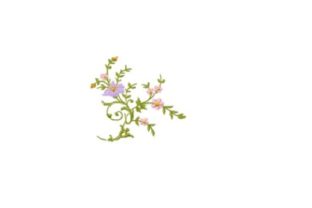
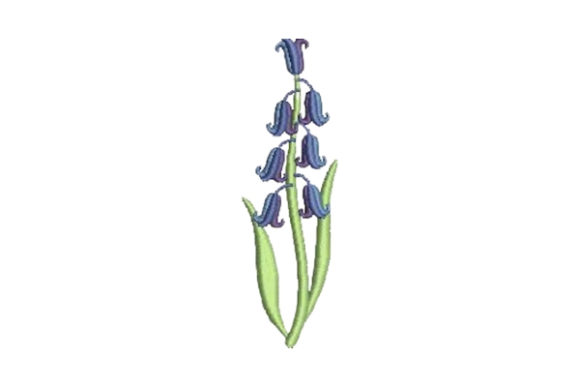
This lovely floral embroidery will give a new fresh look to your next project. It’s simple, clean, and carries that specific "spring vibe" that sells so well in the craft business sector. But does it work beyond just being cute? Let’s break down how this machine embroidery design performs when moved from the screen to the hoop.
The First Impression: Mood and Visual Personality
The immediate appeal of Bluebell lies in its restraint. In a market flooded with overly intricate, dense florals that can turn into stiff plastic-like blobs if stitched poorly, this design breathes. The shape feels organic rather than rigid, which is crucial for any embroidery file intended for apparel or soft goods. The visual personality is light and airy, suggesting a delicate aesthetic that appeals strongly to buyers looking for personalized gifts or boutique branding.
For an Etsy seller or small shop owner, this kind of design is gold because it fits seamlessly into multiple niches. It doesn’t scream "loud fashion"; instead, it whispers "quality craftsmanship." This subtlety builds customer trust faster than aggressive graphics ever could. When a buyer sees a well-executed single flower like this on a tote bag or a baby onesie, they perceive higher value in the finished product. It signals that the maker cares about detail and balance.
Real-World Application: Where Bluebell Shines
I’ve been thinking through several scenarios where Bluebell would excel in a real production run. Let’s start with custom apparel. Imagine a high-quality cotton sweatshirt embroidery placement on the left chest. Because the design isn’t excessively wide, it sits neatly without distorting the knit of the fabric. It gives that cozy, artisanal feel that customers love during seasonal transitions.
It also works exceptionally well as an embroidered patch. If you are creating accessories for a craft fair, stitching Bluebell onto denim jackets or canvas hats adds a touch of elegance. The satin stitch edges (assuming standard configuration) provide a clean boundary that helps the flower stand out against textured fabrics like twill or heavy cotton.
Consider the nursery decor angle. A pillow cover featuring this design brings a calming energy to a child’s room. Parents are often looking for items that are visually soothing yet durable. Bluebell strikes that balance. Similarly, for kitchen textiles, placing this motif on tea towels or aprons elevates them from basic utility items to decorative accents. It transforms a simple embroidery project into a gift-worthy object.
For digital product sellers, this design is versatile enough to be used in printable mockups. You can showcase it on various backgrounds to demonstrate its adaptability. Whether you are selling the digital file itself or using it to create physical goods, its clean lines translate well across different mediums.
Technical Considerations and Potential Pitfalls
While Bluebell is a strong contender, no design is perfect for every situation. As an experienced reviewer, I need to highlight where you should exercise caution. First, consider the stitch density. While likely moderate, you must ensure that the fill areas do not pucker lightweight fabrics. Thin materials may require a stronger cut-away stabilizer to maintain clarity.
Another critical factor is thread color contrast. On dark fabric, the blue tones might lose some definition if the lighting isn’t right or if the thread shade is too muted. Always test your thread colors against your actual fabric stock. What looks vibrant on a monitor might appear dull in person. Conversely, on very light fabrics, ensure the blues pop sufficiently against the background.
Avoid using this design on highly textured surfaces like sherpa fleece or thick terry cloth unless you have significant experience with those materials. The fine details of the petals could get lost in the nap of the fabric. Additionally, be mindful of curved surfaces like caps. While a centered placement might work, designs near the seams or on steep curves can distort if not hooped correctly.
Also, think about durability. If this is going on a tote bag design that sees heavy daily use, check the strength of the anchoring stitches. Frequent washing can loosen loose ends, so proper trimming and finishing are non-negotiable for a professional result.
Practical Designer Notes for Production
Before committing to a large batch of commercial embroidery work, follow these steps to ensure quality:
- Test on Scrap Fabric: Never go straight to the final product. Stitch Bluebell on the exact same fabric type you plan to sell. This reveals how the material reacts to the needle and thread tension.
- Check Hoop Size Compatibility: Ensure the design dimensions fit comfortably within your machine’s standard hoop sizes. If the design is borderline, you may encounter alignment issues.
- Review Small Details: Zoom in on the digital preview. Are there tiny isolated stitches that might not transfer cleanly? Sometimes, what looks good on screen becomes a cluster of messy threads in reality.
- Black and White Mockups: View the design in grayscale to check contrast levels. This helps determine if the visual hierarchy holds up without relying on color alone.
- Stabilizer Selection: Use the appropriate stabilizer for your fabric weight. For stretchy knits, a tear-away might suffice for light designs, but woven fabrics often benefit from cut-away support for longevity.
Final Verdict on Value and Usability
Bluebell succeeds because it respects the medium. It doesn’t try to be something it’s not. It is a classic floral motif executed with enough simplicity to allow the quality of the stitching to take center stage. For handmade products, this means the focus remains on the care and precision of the maker.
In terms of brand consistency, this design is easy to integrate into a broader catalog. It pairs well with other minimalist elements, making it a reliable asset for design assets libraries. Whether you are creating a wedding gift set, a holiday embroidery collection, or a line of baby embroidery items, Bluebell offers a safe yet stylish option.
However, remember to confirm licensing before selling finished items or digital products. Even if the design is beautiful, commercial rights vary. Ensure you have the permission to use this digital embroidery file for profit. Once that legal box is checked, Bluebell is ready to elevate your next craft business offering.
Ultimately, this machine embroidery design is a solid choice for anyone seeking to add a touch of freshness to their inventory. It balances aesthetics with practicality, making it a worthwhile addition for designers who prioritize both beauty and function in their work.