Floral Paiselys Applique: A Designer’s Review for Market Success
Setting up a booth for a weekend craft fair is equal parts excitement and anxiety. You want your handmade products to stop people in their tracks, but you also need designs that are practical to produce in batches without causing you unnecessary stress behind the scenes. As an experienced embroidery designer who has spent years turning digital files into tangible craft fair product winners, I look at every new embroidery file with a critical eye. Today, I am reviewing the Floral Paiselys Applique design to see if it has what it takes to be a bestseller on your table.
First Impressions and Visual Appeal
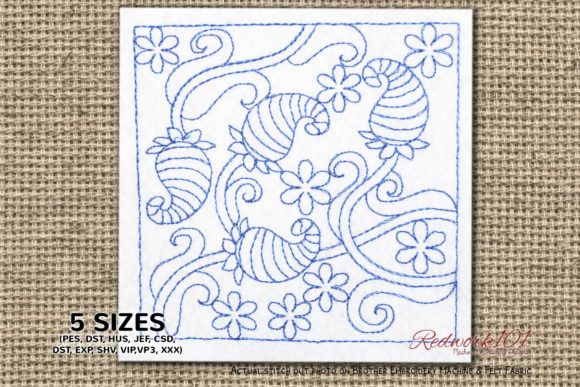
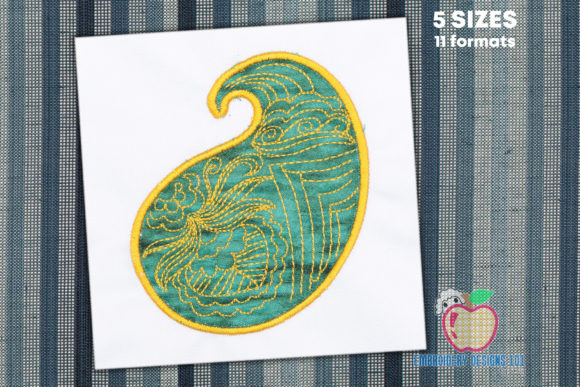
The title alone suggests a blend of classic elegance and organic flow. When I first looked at the Floral Paiselys Applique, my immediate thought was about versatility. It does not scream for attention with loud, modern graphics; instead, it whispers quality. The combination of floral elements within the paisley shape gives it a soft, romantic, yet structured feel. This makes it perfect for the current trend toward farmhouse chic, rustic elegance, and timeless botanical aesthetics.
For an Etsy seller or a boutique maker, this design hits the sweet spot between decorative and wearable. It feels premium because paisley patterns have historically been associated with higher-end textiles. By interpreting this through machine embroidery, you elevate simple items like canvas tote bags or plain linen aprons into something that looks custom-made. The visual appeal lies in its balance—it is detailed enough to catch the eye from three feet away but clean enough to read clearly when viewed up close.
Product Potential: Where Does It Shine?
Not all designs work equally well on every item. To maximize sales, you must match the design scale and complexity to the product surface. Here is how Floral Paiselys Applique performs across various handmade product categories:
- Tote Bags and Market Bags: This is arguably the strongest application. Placing the design centrally on a sturdy canvas tote bag creates a striking focal point. The intricate details of the paisley will pop against the natural texture of the fabric, making it an instant tote bag design standout. It photographs beautifully for online listings, offering customers a clear view of the craftsmanship.
- Apron Embroidery: For kitchen use, placing the design on the bib of a denim or cotton apron adds a touch of charm. Because the description notes that steps are separated by color changes, you can achieve a rich, multi-tonal look that mimics hand-painted art. This elevates a standard kitchen tool into a giftable small shop product.
- Tea Towel Embroidery: Linen or flour sack towels provide a fantastic background for this design. The slight roughness of the towel fabric contrasts nicely with the smooth stitches of the machine embroidery design, creating depth. Just ensure the design is scaled appropriately so it does not overwhelm the narrow width of the towel.
- Embroidered Patches and Caps: If you plan to sell sew-on patches, this design works exceptionally well as a standalone graphic. The curved edges of the paisley lend themselves naturally to patch shapes. On caps, however, caution is advised due to the curvature of the front panel; you may need to adjust the placement to avoid distortion.
- Pillow Covers and Home Decor: For larger items like throw pillows, the design allows for repetition. You might create a pattern by repeating the motif in different thread colors. This approach increases the perceived value of the item, allowing you to charge a premium price for what is essentially one repeatable digital embroidery file.
Practical Production and Selling Points
From a production standpoint, the fact that this design comes in multiple formats is a huge advantage. It means you can serve a wider audience, including those using older machines or specific software brands. However, having options requires diligence. Before you start churning out commercial embroidery goods, you must verify the hoop size and stitch density.
One of the biggest selling points for this design is its ability to photograph well. In the age of Instagram and Etsy, your product image is your salesperson. The Floral Paiselys Applique likely features distinct lines and shapes that translate sharply in photos. Customers love seeing the texture of the thread and the precision of the stitches. If you create a printable mockup or shoot real samples, the contrast between the thread colors and the fabric will drive engagement.
Furthermore, the design’s structure supports batch production. If the color changes are logical and the trimmings are minimal, you can run multiple hoops in succession. This efficiency is crucial for craft fair sellers who need to bring enough inventory to fill a table without spending weeks in front of the machine. It feels repeatable and reliable, which reduces the mental load during peak selling seasons.
Careful-Use Notes and Technical Considerations
Even beautiful designs can fail if technical details are ignored. Here are critical factors to consider before finalizing your finished product:
- Stitch Density and Tiny Details: Paisley patterns often contain teardrop shapes and inner curves. Check the stitch density closely. If the design is too dense, it may pucker lightweight fabrics like thin cotton or silk. Conversely, if it is too sparse, it may look flimsy on heavier materials. Inspect the tiny details to ensure they do not merge together when stitched.
- Fabric Texture and Stability: The choice of stabilizer is paramount. For stretchy knits or unstable fabrics, a cut-away stabilizer is usually necessary to prevent distortion. For woven fabrics like denim or canvas, a tear-away may suffice, but always test first. The fabric texture should complement the design; highly textured fabrics like boucle wool might hide the fine details of the applique effect.
- Thread Contrast and Color: The success of this design relies heavily on thread selection. Ensure there is enough contrast between the thread and the fabric. Dark fabrics require bright or metallic threads to make the design visible, while light fabrics allow for subtle, tonal stitching. Test your thread colors on the actual fabric you intend to sell.
- Small Lettering and Clarity: While this design focuses on imagery, any accompanying text or very small internal details must be legible. Avoid scaling the design down too much, as fine lines can become muddy or break during stitching. Always confirm the minimum recommended size for clarity.
- Curved Surfaces: When applying this to caps or rounded pouches, the design may distort if not hooped correctly. Use a specialized cap frame or consider digitizing a version specifically for curved surfaces if you plan to mass-produce these items.
Designer’s Checklist for Launch
To ensure Floral Paiselys Applique becomes a staple in your design assets, follow these steps:
- Test on Scrap Fabric: Never assume a design will work perfectly. Stitch it out on the exact fabric type you plan to use. Check for puckering, tension issues, and thread breaks.
- Create Real Mockups: Do not rely solely on digital previews. Create at least one physical sample of your top product idea (e.g., a tote bag) to see how the design behaves in 3D space.
- Confirm Commercial Licensing: Before selling any finished items, review the license agreement included with the digital embroidery file. Ensure you are permitted to sell physical goods made from the design. Some licenses restrict the number of units or prohibit certain types of merchandise.
- Inspect Hoop Size: Verify that the design fits within your machine’s standard hoop sizes. If it exceeds them, you may need to re-digitize or split the design, which adds time and cost.
In conclusion, Floral Paiselys Applique appears to be a strong candidate for craft fair and online markets. Its elegant aesthetic, combined with practical production features, makes it suitable for a wide range of handmade gifts and apparel. By paying attention to fabric choice, stabilizer usage, and licensing, you can turn this design into a profitable part of your embroidery business. Take the time to test, refine, and present it well, and it will likely earn a permanent spot in your collection of best-selling designs.