Floral Quilting Design Review
Setting up for a weekend craft fair is equal parts excitement and anxiety. You spend weeks perfecting your booth display, ironing every apron, and arranging your handmade products so they catch the eye from across the aisle. As an experienced embroidery designer, I have learned that the difference between a design that sits on the shelf and one that flies off it often comes down to how well the machine embroidery design translates from the screen to the physical product. Today, I am reviewing the Floral Quilting Design, a digital asset that promises to bring a touch of soft elegance to your craft fair product lineup.
This review focuses on practical application. We are not just looking at pixels; we are looking at stitch density, visual impact, and commercial viability. If you are an Etsy seller, a boutique maker, or a creative entrepreneur looking to expand your inventory with high-quality handmade product options, this analysis will help you decide if Floral Quilting Design belongs in your production queue.
First Impressions: The Visual Appeal
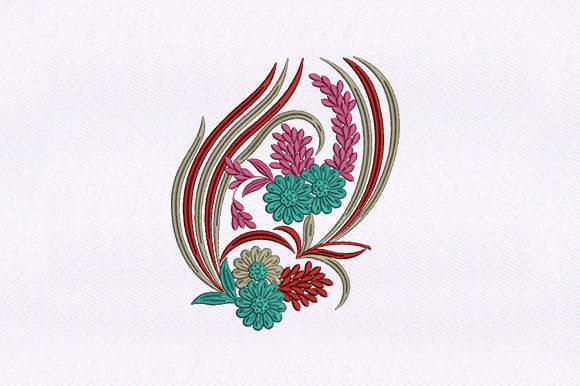
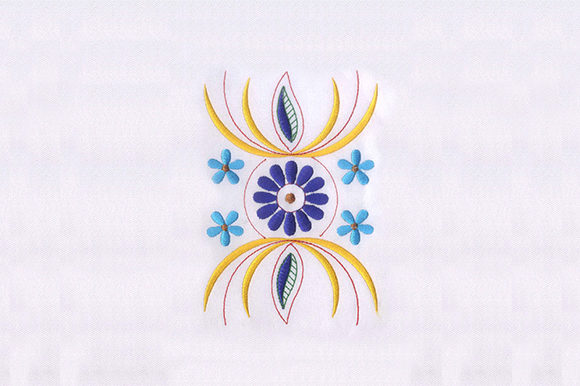
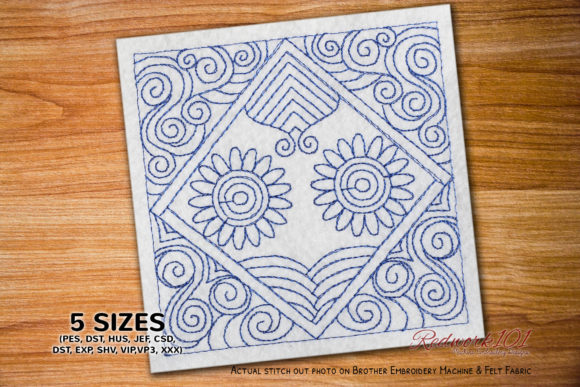
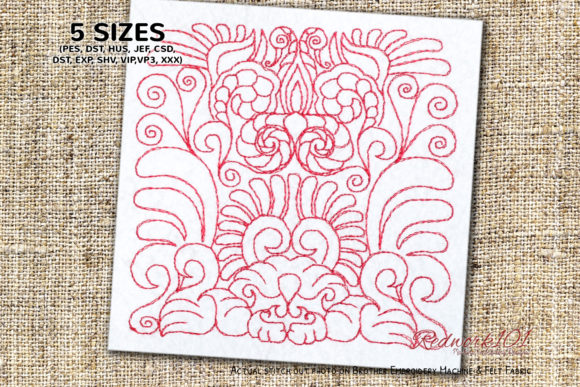
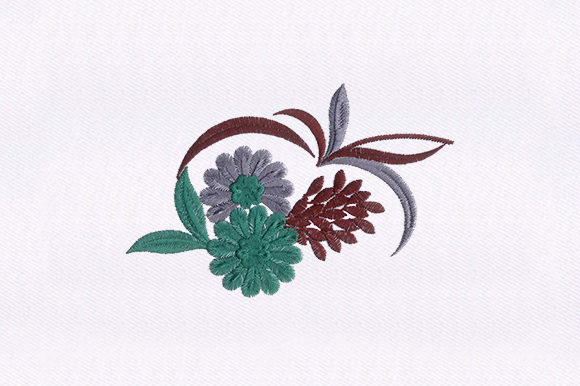
When I first loaded the files for Floral Quilting Design, my immediate reaction was one of versatility. The title suggests a connection to traditional quilting aesthetics, which often implies a rustic, farmhouse, or cozy modern vibe. In the context of today’s handmade market, "quilting" styles resonate deeply with buyers who appreciate heritage crafts and tactile textures. The design likely features botanical motifs arranged in a way that mimics patchwork or appliqué, creating a sense of warmth and comfort.
For a bedroom category focus, this design feels particularly appropriate. It evokes the feeling of fresh linens, soft pillows, and curated home decor. However, its appeal extends far beyond bedding. The floral elements provide a natural, organic feel that pairs beautifully with neutral fabrics like linen, cotton, and denim. This makes it an excellent choice for sellers who want to maintain brand consistency across different types of small shop product offerings.
Product Versatility and Market Fit
The true test of any embroidery file is its ability to shine on various substrates. Here is how Floral Quilting Design performs on key items commonly found at craft fairs and online stores:
- Tote Bags and Market Bags: A tote bag design needs to be bold enough to be seen but detailed enough to look premium. This floral pattern works exceptionally well as a central focal point on canvas totes. It adds value by transforming a basic utility item into a fashionable accessory. The botanical theme appeals to eco-conscious shoppers and those who enjoy sustainable fashion.
- Aprons and Tea Towels: For kitchen-focused items, such as apron embroidery or tea towel embroidery, this design strikes the right balance. It is decorative without being overwhelming. On a white or cream-colored tea towel, the floral details pop, making it an attractive impulse buy at a lower price point. It fits perfectly into the "farmhouse chic" trend that remains strong in the home goods market.
- Pillow Covers: Given its association with the bedroom category, this design is ideal for decorative throw pillows. It allows customers to add a personalized touch to their living spaces. The repetitive nature of floral motifs often works well in smaller hoops, allowing for efficient batch production of pillow shams or accent cushions.
- Embroidered Patches and Caps: If the design scales well, it can serve as a charming embroidered patch for denim jackets or backpacks. For caps, the floral element adds a soft contrast to structured headwear, appealing to a feminine demographic that values unique, handcrafted details.
- Fabric Pouches and Small Goods: Small pouches for makeup, pens, or knitting supplies benefit from delicate designs. Floral Quilting Design offers a level of intricacy that elevates simple fabric pouches into giftable items, perfect for holiday markets or special occasion gifts.
Production Practicality and Technical Considerations
As a designer, I always advise testing before mass production. While Floral Quilting Design appears versatile, there are technical nuances to consider to ensure your finished products look professional.
Stitch Density and Detail: Floral designs often contain small petals and leaves. You must inspect the stitch density closely. If the stitches are too dense, the fabric may pucker, especially on lightweight materials like tea towels or thin cotton. Conversely, if the details are too tiny, they may get lost in the texture of thicker fabrics like denim or fleece. Always run a test stitch-out on scrap fabric that matches the weight and texture of your final product.
Thread Colors and Contrast: The visual impact of this design relies heavily on thread selection. To highlight the "quilting" aesthetic, consider using variegated threads or classic cotton-like embroidery threads. Ensure there is sufficient contrast between the thread and the fabric. Dark fabrics may require lighter, brighter thread colors to make the floral details visible, while light fabrics allow for more subtle, pastel palettes.
Hoop Size and Stability: Confirm the recommended hoop size for the design. Larger designs may require multi-hooping, which increases production time. For efficient batch production, designs that fit within standard 5x7 or 6x10 inch hoops are often preferred. Additionally, use the correct stabilizer for your fabric type. Cut-away stabilizers are generally best for stretchy fabrics or items that will be washed frequently, such as aprons and tote bags, to prevent distortion over time.
File Format Compatibility: The availability of multiple formats (including PES, DST, JEF, HUS, VP3, and others) is a significant advantage. This ensures compatibility with most home and commercial embroidery machines, making it easier for designers and small business owners to integrate the design into their workflow without needing specialized software conversions.
Selling Strategy and Booth Display
How you present Floral Quilting Design can significantly influence sales. At a craft fair, create a cohesive display. Group similar items together, such as a stack of embroidered tea towels next to matching aprons. Use mannequins or hanging racks to showcase tote bags and caps, allowing customers to see the design from multiple angles.
Photography is crucial for Etsy sellers and anyone selling online. Create printable mockups or photograph real products in natural light. Highlight the texture of the embroidery and the quality of the stitching. Show close-ups that reveal the detail of the floral elements, proving the craftsmanship involved. High-quality images build trust and justify a premium price point for your commercial embroidery goods.
Consider the emotional connection. Marketing copy should emphasize the handmade nature of the product. Phrases like "hand-embroidered," "unique botanical art," and "crafted with care" resonate with buyers who value authenticity. Position Floral Quilting Design not just as a decoration, but as a piece of functional art that brings beauty to everyday routines.
Final Verdict
Floral Quilting Design is a strong candidate for inclusion in your digital embroidery file collection. Its aesthetic aligns well with current trends in home decor and fashion, offering broad appeal across various product categories. From handmade gifts to finished product lines for boutiques, this design provides the flexibility needed to succeed in a competitive market.
Remember to check the specific licensing terms before selling finished products commercially. Ensure you have the rights to produce and sell items made with this design. By combining careful production practices—such as proper stabilizer use and thread selection—with strategic marketing, you can turn this design into a bestseller at your next craft fair or online store. Whether you are a seasoned pro or just starting out, Floral Quilting Design offers a reliable path to creating beautiful, valuable small shop product offerings.