Flower Outline: A Designer’s Review for Real Projects
As a designer who spends half the day sketching and the other half troubleshooting stitch errors, I approach every new machine embroidery design with a healthy dose of skepticism. We are often sold on the promise of "charm" and "personality," but what we really need to know is whether it holds up under the hoop, how it translates to a finished product, and if it will make our customers happy. Today, I am putting the Flower Outline embroidery file through its paces—not just as a digital asset, but as a practical tool for embroidery projects ranging from personal gifts to small business merchandise.
The premise here is simple: a cute floral outline that promises to add character to any sewing project with a spring theme. But in my experience, simplicity is where designs either shine or fail. If the lines aren't clean, or if the negative space feels awkward, the entire piece falls apart. After reviewing the structure and visual weight of the Flower Outline, I have some strong opinions on where this design belongs in your workflow and where you might want to proceed with caution.
First Impressions: Mood and Visual Personality
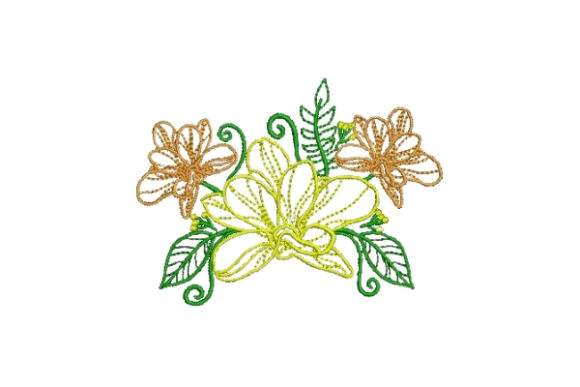
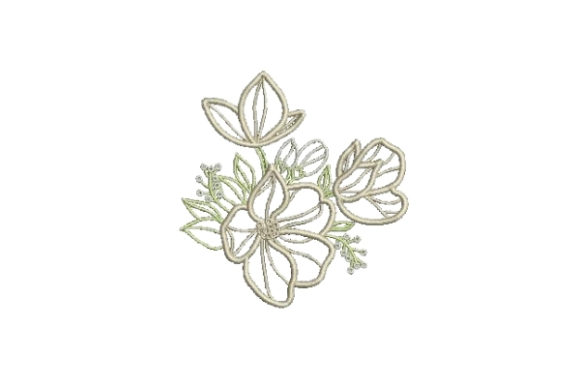
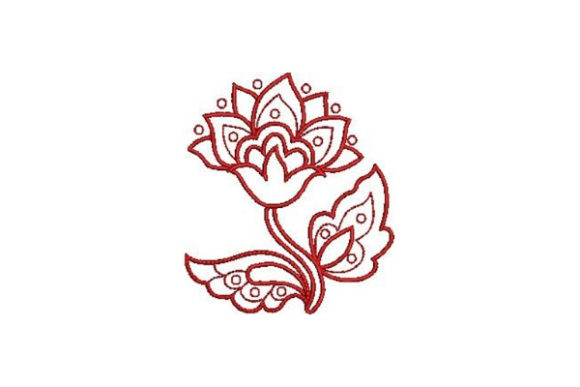
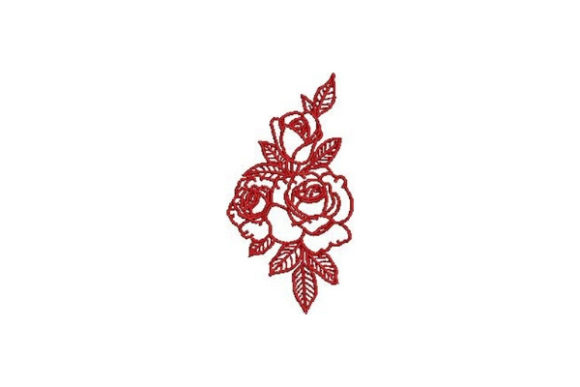
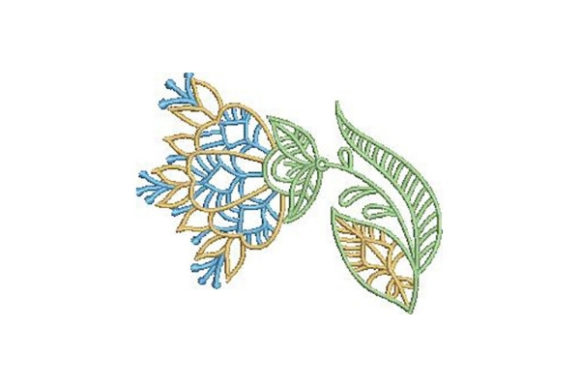
When you first open the embroidery file, the immediate takeaway is its airy, minimalist aesthetic. Unlike dense fill-stitch florals that can feel heavy or dated, the Flower Outline relies on negative space. This creates a mood that is light, fresh, and undeniably spring-like. It doesn’t scream for attention; instead, it whispers. For designers looking to create subtle, sophisticated pieces, this is a winning formula.
The shape language is soft and organic. The curves mimic natural petals without getting bogged down in botanical accuracy, which is actually a benefit. It allows the design to blend seamlessly into various themes, from rustic farmhouse decor to modern boutique apparel. The visual personality is friendly and approachable, making it an excellent candidate for personalized gift items where you want the recipient to feel a sense of warmth rather than being overwhelmed by complex graphics.
However, "cute" can sometimes translate to "cheap" if not executed correctly. The success of this design hinges entirely on execution—specifically, thread choice and fabric selection. Because there is no solid fill to hide imperfections, every knot, tension adjustment, and stabilizer shift becomes visible. This demands a higher level of skill from the embroiderer, but the payoff in terms of professional presentation is significant.
Real-World Application: Where Does It Fit?
I believe the Flower Outline finds its sweet spot in specific categories of handmade products. Let’s look at a few scenarios where this design truly excels.
- Custom Apparel and Sweatshirts: Imagine a cozy, oversized sweatshirt in a muted sage green. Placing a delicate flower outline on the back yoke or subtly on the front pocket adds a touch of elegance without overpowering the garment. It works beautifully as part of a larger composition, perhaps paired with minimal typography for a custom apparel line.
- Tote Bag Design: Canvas tote bags are a staple for Etsy sellers and craft fair vendors. The Flower Outline stands out starkly against natural cotton canvas, especially when stitched in a contrasting cream or pastel thread. It transforms a basic utility item into a fashion accessory, increasing the perceived value of the handmade product.
- Baby Embroidery and Nursery Decor: There is something inherently gentle about outline art for babies. Whether applied to a muslin blanket, a bib, or a nursery pillow cover, the soft lines are safe and soothing. It avoids the visual clutter of busy prints, making it ideal for baby embroidery projects where clarity and softness are paramount.
- Kitchen and Home Textiles: Tea towels and aprons are perfect canvases for this design. The outline format scales well, meaning it looks just as good on a large apron as it does on a small kitchen towel. It adds a "farmhouse chic" vibe that remains timeless, unlike trend-heavy patterns that might fade quickly.
In these contexts, the design acts as a versatile anchor. It doesn’t compete with other elements; it complements them. This makes it a valuable asset for commercial embroidery businesses that need reliable, multi-use designs for their catalog.
Where to Use Caution
While the Flower Outline is versatile, it is not a universal solution. As an experienced reviewer, I must highlight several areas where this design could struggle or require significant adaptation.
- Small Hoop Sizes: If you attempt to digitize or stitch this design in a very small hoop (under 4x4 inches), you risk losing the integrity of the curves. Tiny details may merge together, turning a graceful petal into a blob. Always check the recommended hoop size before committing to small accessories like hair bows or tiny patches.
- Textured and Stretchy Fabrics: Outline stitches rely on straight, crisp lines. On highly textured fabrics like bouclé or thick chenille, the needle may skip, or the thread may not lay flat. Similarly, on stretchy knits without proper stabilization, the outline can pucker or distort. For these materials, consider using a heavier thread weight or adding a light backing stabilizer.
- Dense Stitch Areas: While the design itself is not dense, if you plan to combine it with other elements, be mindful of the total stitch count. Too many layers of thread in one area can lead to needle breakage or poor washability. Ensure your stabilizer choice matches the fabric weight to prevent shifting during stitching.
- Dark Fabric Backgrounds: On dark fabrics, thin outline threads can get lost unless you use high-contrast colors. A white outline on black fabric works well, but a pale yellow on navy might disappear. Test your thread colors carefully to ensure visibility.
Technical Considerations for the Discerning Designer
To get the best results from the Flower Outline, you need to think beyond just hitting the start button. Here are some practical notes from my own studio practice.
Thread Color Contrast: Since this is an outline design, color is everything. Don’t be afraid to experiment. Metallic threads can add a luxurious feel for wedding favors or bridal showers, while matte cotton threads enhance the rustic, handmade appeal. Always swatch your thread choices against your final fabric to confirm the contrast is sufficient.
Stitch Density and Clarity: Although the description mentions it is an outline, verify the stitch type in your software. Is it primarily a satin stitch for bold edges, or a running stitch for a hand-embroidered look? Each has different implications for durability. Satin stitches are more durable for items that will be washed frequently, such as aprons or tote bags. Running stitches offer a softer aesthetic but may fray over time if not finished properly.
Mockups and Visualization: Before cutting fabric, create a printable mockup or use digital design assets to visualize the scale. Place the Flower Outline on images of your actual products—t-shirts, caps, pillows—to see how it interacts with seams, pockets, and folds. This step saves time and prevents costly mistakes.
Licensing and Commercial Use: If you are planning to sell finished products featuring this design, double-check the license terms. Some digital embroidery files are for personal use only, while others allow commercial sales of a limited number of items. As a small shop product owner, protecting your intellectual property and respecting the original designer’s rights is crucial for maintaining trust within the crafting community.
Final Verdict: A Versatile Tool for Creative Entrepreneurs
The Flower Outline is not a flashy, show-stopping design, but it is incredibly effective. It succeeds because it respects the viewer’s eye, offering charm without clutter. For craft business owners, Etsy sellers, and hobbyists alike, it provides a reliable foundation for creating cohesive collections.
It shines brightest when used on natural fibers, paired with thoughtful color palettes, and stitched with care. It is perfect for holiday embroidery collections, spring launches, and everyday essentials. However, it requires a designer who understands the nuances of fabric behavior and thread interaction. If you are willing to put in the prep work—testing on scraps, checking tensions, and choosing the right stabilizer—this design will reward you with beautiful, professional-looking finished products that customers love.
Ultimately, the Flower Outline is a testament to the power of restraint in design. In a world of noise, quiet beauty often speaks the loudest. Give it a try, test it thoroughly, and watch how it elevates your next embroidery project.