Review: Decorative Floral Art with Frame
As a designer who spends half my life staring at stitch charts and the other half trying to sell handmade goods, I have learned that not every digital file translates well into physical reality. There is a distinct difference between a design that looks pretty on a screen and one that holds up under the tension of an embroidery hoop. Today, I am putting Decorative Floral Art with Frame through its paces. This isn't just about aesthetics; it is about whether this piece can survive the rigors of real-world application, from a quick gift for a friend to a high-volume Etsy listing.
First Impressions and Visual Mood
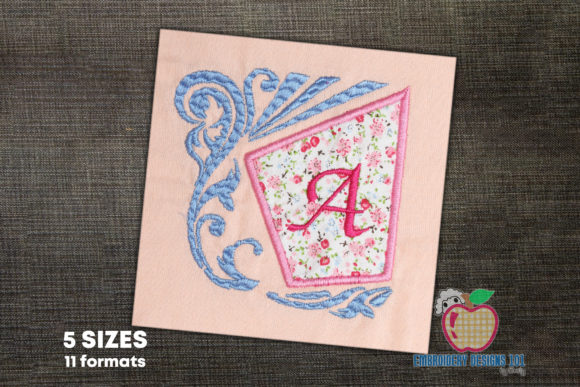
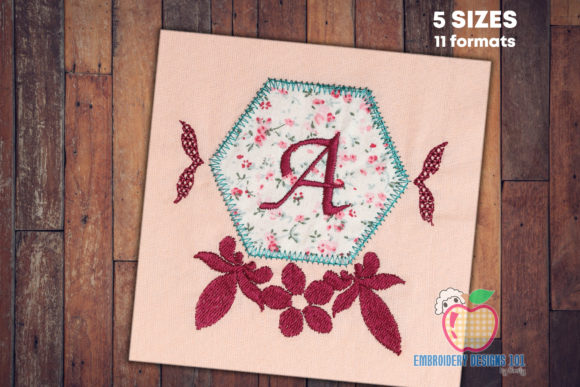
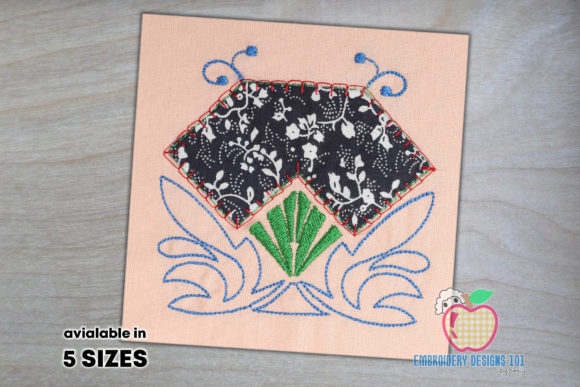
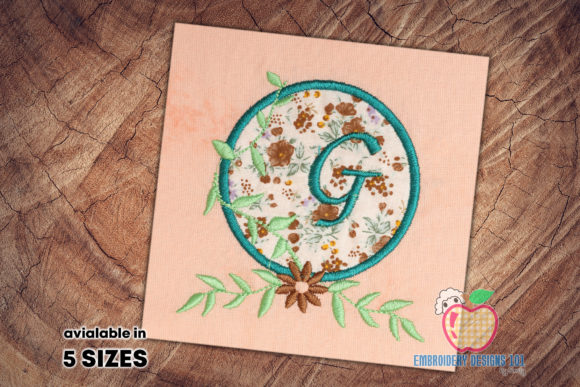
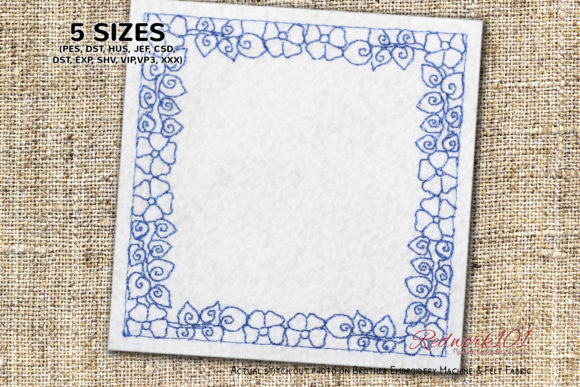
The moment you open the embroidery file, the first thing that catches your eye is the structure. Unlike chaotic boho patterns or overly intricate mandalas, this design relies on a strong, defined border. The title says it all: it is a frame. In the world of Borders, this is a crucial distinction. It suggests containment, focus, and elegance. The mood it creates is one of classic refinement. It feels less like a trendy doodle and more like a piece of heritage art waiting to be displayed.
From a layout perspective, the separation of steps is a designer’s best friend. When a design comes with clearly separated elements, it allows for greater customization during the stitching process. You are not locked into a single rigid execution. The floral elements within the frame appear to have a natural flow, avoiding the stiff, geometric look that plagues many automated designs. It has a hand-drawn personality, which immediately boosts its appeal for anyone looking to create something that feels truly handmade product rather than mass-produced factory work.
Real-World Application: Where Does It Fit?
I recently imagined using this design for a specific client request: a set of personalized kitchen towels for a housewarming gift. The client wanted something sophisticated but not stuffy. Here is how Decorative Floral Art with Frame performed in that mental simulation.
On a cotton tea towel, the frame acts as a perfect anchor. It doesn’t overwhelm the fabric, nor does it get lost in the weave. The floral details inside the frame provide enough visual interest to make the item feel special without requiring hours of stitching time. This balance is critical for small business owners who need to maintain healthy profit margins while offering premium-looking goods.
However, the versatility extends far beyond kitchen linens. Consider a custom tote bag design. A large, empty canvas tote can look bland. Applying this frame to the center panel instantly elevates the accessory. It turns a simple utility item into a fashion statement. Similarly, for sweatshirt embroidery, placing this design over the heart or across the back yoke adds a touch of femininity and structure that pairs beautifully with casual denim or athleisure wear.
It also shines in the realm of baby embroidery. While some floral designs can feel too mature for infants, this particular composition strikes a gentle balance. It works wonderfully for nursery decor, such as pillow covers or wall hangings, where the frame provides a clean edge that complements soft pastels. For a boutique branding project, imagine this embroidered patch sewn onto the cuff of a baby onesie or the hem of a toddler’s dress. It signals quality and attention to detail, traits that build customer trust.
Commercial Viability and Product Value
For the Etsy seller or craft business owner, the commercial potential here is significant. The "frame" aspect makes this design highly adaptable. It can serve as a container for text. Imagine stitching the name of a bride and groom inside the floral border for a wedding gift. Or perhaps a family surname centered within the frame for holiday embroidery projects. This adaptability increases the perceived value of the finished product. Buyers are often willing to pay more for personalized items that look professionally designed.
The design also lends itself well to digital assets. If you sell printable mockups or design assets to other creators, this vector-style clarity (even in digitized form) ensures that preview images look crisp and attractive. High-quality visuals drive clicks, and a design that looks good even in thumbnail size is a valuable commodity in the digital embroidery file market.
Technical Considerations and Potential Pitfalls
No review is complete without addressing the technical realities. As experienced embroiderers know, theory often clashes with practice. Here are the areas where Decorative Floral Art with Frame requires careful handling.
- Hoop Size Constraints: Because this is a framed design, it likely requires a moderate to large hoop to capture the full width and height. Attempting to shrink it down too much can compromise the integrity of the satin stitch edges. Always check the recommended hoop size before committing to a small garment like a cap brim or a child’s sock.
- Fabric Texture and Stability: The density of the fill stitches within the frame must be supported by adequate stabilizer. On stretchy fabrics like jersey knit used for t-shirts, you risk puckering if the stitch density is too high. Conversely, on textured fabrics like heavy wool or bouclé, fine details in the floral corners may get lost. Test on scrap fabric first to ensure the thread colors pop against the background.
- Color Contrast: The effectiveness of any applique design or outlined motif depends heavily on contrast. If you are working with dark fabric, light thread colors will stand out, but you may need a backing stabilizer to prevent show-through. On light fabrics, darker threads provide definition. Avoid low-contrast combinations unless you are aiming for a very subtle, tonal look.
- Detailed Corners: Frames often have sharp or curved corners. In machine embroidery, tight curves can sometimes result in needle breaks or thread nests if the digitization isn’t optimized. Inspect these areas closely in your software before starting production.
Practical Designer Notes for Success
To get the most out of this embroidery project, follow these practical steps:
- Test Run: Never go straight to the final product. Stitch the design on a scrap of the same fabric type you plan to use. This reveals issues with tension, thread breakage, or color blending.
- Check Licensing: Before selling finished items, confirm the licensing terms. Ensure you have the right to use the machine embroidery design for commercial purposes. This protects your small shop product from legal issues.
- Stabilizer Selection: Use the appropriate stabilizer for your fabric weight. Cut-away stabilizers are generally safer for garments that will be washed frequently, ensuring the finished product retains its shape over time.
- Black and White Mockup: View your design in grayscale. This helps you evaluate the balance of positive and negative space without being distracted by color choices. If the design looks unbalanced in black and white, it will likely feel off in color as well.
- Thread Choice: Rayon threads offer a beautiful sheen that enhances the floral details, while polyester threads are more durable for items that see heavy use, like aprons or workwear. Choose based on the intended lifespan of the custom apparel.
Final Verdict
Decorative Floral Art with Frame is a solid, versatile addition to any digital library. It avoids the pitfalls of over-complication while delivering a polished, professional look. Its strength lies in its structure; it frames the subject matter beautifully, making it ideal for personalization and branding. Whether you are creating a unique personalized gift for a loved one or stocking your shelves with trendy boutique branding items, this design offers a reliable foundation for success. Just remember to respect the technical limitations of your machine and materials, and you will produce a handmade product that customers will cherish.