Coordinated Flowers: A Seasonal Design Review
As an embroidery designer, I spend a significant portion of my year planning for the high-volume seasons that drive our industry. We are currently approaching a period where customers are not just looking for clothing; they are looking for feelings. They want warmth, nostalgia, and a touch of curated beauty to gift to their loved ones. In this context, reviewing a new digital asset is less about checking file formats and more about assessing its potential to connect with buyers emotionally. Today, I am putting Coordinated Flowers under the microscope to see if it deserves a spot in my upcoming seasonal collection.
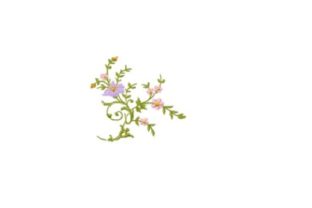
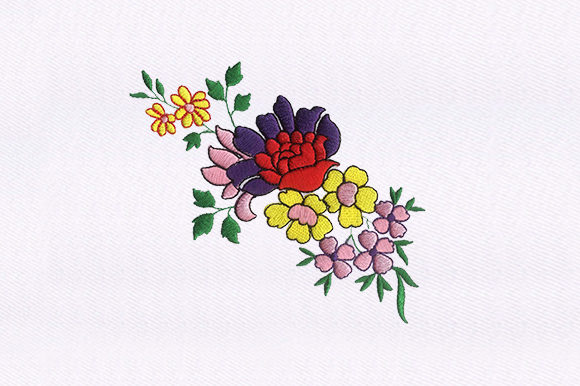
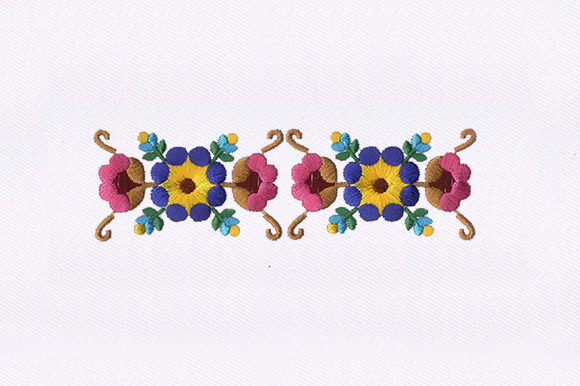
The product description promises that this adorable floral embroidery will add a spark of color and freshness to almost any fabric. It suggests applications ranging from jackets and jeans to sneakers. While those are valid uses, my focus as a professional is on the holiday market. Can this machine embroidery design hold up against the competition? Does it feel premium enough for a $40 sweatshirt or delicate enough for a baby’s christening gown? Let’s break down the practical realities of using this embroidery file in a commercial setting.
First Impressions: Mood and Aesthetic
When I first loaded the design into my hoop software, the immediate takeaway was versatility. The term "Coordinated" in the title is crucial here. In the world of seasonal embroidery, coordination means the design can fit into various themes without clashing. This floral arrangement doesn’t scream "Christmas" or "Halloween" exclusively. Instead, it offers a foundational elegance that can be adapted through thread choice.
The emotional tone is one of freshness and lightness. For holiday shoppers overwhelmed by heavy, dark, or overly complex designs, this provides a breath of fresh air. It feels playful yet refined. I envision this working beautifully for spring holidays like Easter or Mother’s Day, but with the right thread palette—perhaps deep reds and greens—it could easily transition into a cozy winter aesthetic. The detail level appears sufficient to catch the eye on social media previews, which is vital for an Etsy seller trying to stop the scroll.
Real-World Applications for Holiday Sellers
To maximize the ROI of this digital embroidery file, we need to look at where it fits best in a product line. Here is how I plan to integrate Coordinated Flowers into my seasonal offerings:
- Sweatshirt Embroidery: Placing this design on the chest of a cream or sage green crewneck creates an instant bestseller. The contrast between the soft fabric texture and the crisp floral stitches adds perceived value.
- Tote Bag Design: Canvas totes are staples for craft fairs and holiday markets. This design works well centered on the front, offering a clean, modern look that appeals to younger demographics.
- Kitchen Towel Embroidery: For the home decor segment, stitching this onto flour sack towels adds a personal touch. These make excellent low-cost impulse buys or add-ons to larger orders.
- Pillow Cover: A larger format allows the flowers to breathe. This is perfect for fall decor when paired with autumnal threads.
- Embroidered Patch: Converting the design into a patch format allows customers to customize their own denim jackets or backpacks, tapping into the DIY trend.
- Baby Items: The "adorable" nature of the design makes it suitable for bonnets and bibs, provided the stitch density is gentle on sensitive skin.
By creating gift bundles—such as a matching set of kitchen towels and a tote bag—you increase the average order value. The coordination of the design ensures that these items look cohesive, encouraging buyers to purchase multiples.
Visual Recognition and Brand Consistency
In a crowded marketplace, visual consistency builds trust. If your shop features multiple floral designs, having one strong, recognizable piece like Coordinated Flowers helps establish a brand identity. When customers see this specific style repeatedly across different products, they begin to associate that look with quality. This is particularly important for limited-time product drops where you want to create a sense of urgency and exclusivity.
Technical Considerations and Pitfalls
Even the most beautiful design can fail if executed poorly. As a designer, I must advise caution in several areas when applying this embroidery file:
- Hoop Size Constraints: Ensure the design fits within your standard hoop sizes. If the design is too large, it may require re-digitizing or multi-hooping, which increases production time and cost.
- Stitch Density: Check the stitch density carefully. Floral designs often have dense satin stitches around petals. If the density is too high, it can pucker lightweight fabrics like silk or thin cotton. Conversely, if it is too sparse, the backing material may show through.
- Fabric Texture: This design shines on smooth fabrics. Avoid using it on heavily textured materials like chunky wools or terry cloth unless you use a heavy-duty stabilizer and test thoroughly. The details may get lost in the weave.
- Thread Colors: Always test thread colors on both light and dark fabric. A pastel pink flower might disappear on a white shirt but pop beautifully on a navy background. Plan your matching color palettes early to ensure variety.
- Stabilizer Choice: Use the proper stabilizer for the garment type. Cut-away stabilizers are generally safer for garments that will be washed frequently, while tear-away might suffice for一次性 items like party favors.
Items to Approach with Caution
There are certain applications where Coordinated Flowers requires careful consideration. Small hoop sizes may truncate the design, ruining the composition. Tiny lettering, if added, might become illegible after washing. Layered details can get muddled if the machine tension is not perfectly calibrated. Furthermore, metallic thread should be used sparingly; while it adds sparkle, it can break easily and slow down production speed. Stretchy garments, such as leggings or fitted dresses, require specialized techniques to prevent distortion, so stick to woven fabrics for the safest results.
Affecting Buyer Emotion and Product Value
The right embroidery design does more than decorate; it elevates. Adding Coordinated Flowers to a plain item transforms it from a commodity into a personalized gift. Customers are willing to pay a premium for items that feel handmade and thoughtful. The "spark of color" mentioned in the description directly translates to joy in the recipient's eyes. This emotional connection drives repeat business and positive reviews.
For the seller, this means higher margins and lower return rates. A well-executed floral design is timeless. Unlike trendy graphics that fade quickly, classic florals remain relevant season after season. This longevity reduces waste and inventory risk.
Final Designer Notes
Before adding Coordinated Flowers to your store, take these final steps:
- Create Realistic Mockups: Show the design on actual products. A printable mockup helps customers visualize the end result.
- Review Small Details: Stitch out a sample and zoom in. Are the petals distinct? Is the center filled adequately?
- Confirm Commercial Licensing: Ensure you have the rights to sell finished products made with this file. Do not assume all commercial embroidery licenses are equal.
- Test Wash Durability: Wash your samples to ensure the stitches hold up and do not pull or fade.
In conclusion, Coordinated Flowers is a strong contender for any seasonal collection. Its adaptability, emotional appeal, and broad application range make it a smart investment for small business owners and crafters alike. By paying attention to technical details and marketing it effectively, you can turn this simple floral design into a standout hit for your holiday shop.